When I joined Gold Coin Indonesia in late 2017, I stepped into an industry in the midst of a historic transformation. As a woman in a leadership role, I faced a lingering stereotype: that I was perhaps too young for the position and that women were not considered capable of working in the field.
But in the world of science, technology, engineering, and mathematics, or STEM, data doesn’t have a gender — it has results. I’ve learned that being a scientist in agriculture requires more than just lab work; it takes grit to bring science and innovation to the field.
The Invisible Guardians of Agriculture
Women have been the backbone of agriculture since ancient times. Today, data shows that women are vital contributors to the industry, making up about 40% of the global agricultural workforce. In Indonesia, I see this every day—women managing backyard farms and making important decisions about livestock nutrition using kitchen scraps.
However, many young women interested in STEM avoid careers in agriculture because they see it as “dirty” or less prestigious than a desk job. My experience proves that modern agriculture is also a “white-coat-and-data” industry. It involves chemical precision, process automation, rigorous testing, and continuous innovation to ensure that the food on our plates is safe.
Innovation Beyond the Lab
For me, innovation isn’t about ‘noble’ scientific theories but about speed, boldness, and thoroughness in spotting gaps before applying the theory to real-world situations. I tested this when we faced skyrocketing corn prices in Indonesia. To keep our feed competitive, I led our team to use “Alt RM” (Alternative Raw Materials). I combined technical expertise with rigorous fieldwork—conducting internal and external lab tests followed by multiple large-scale farm trials to track production trends.
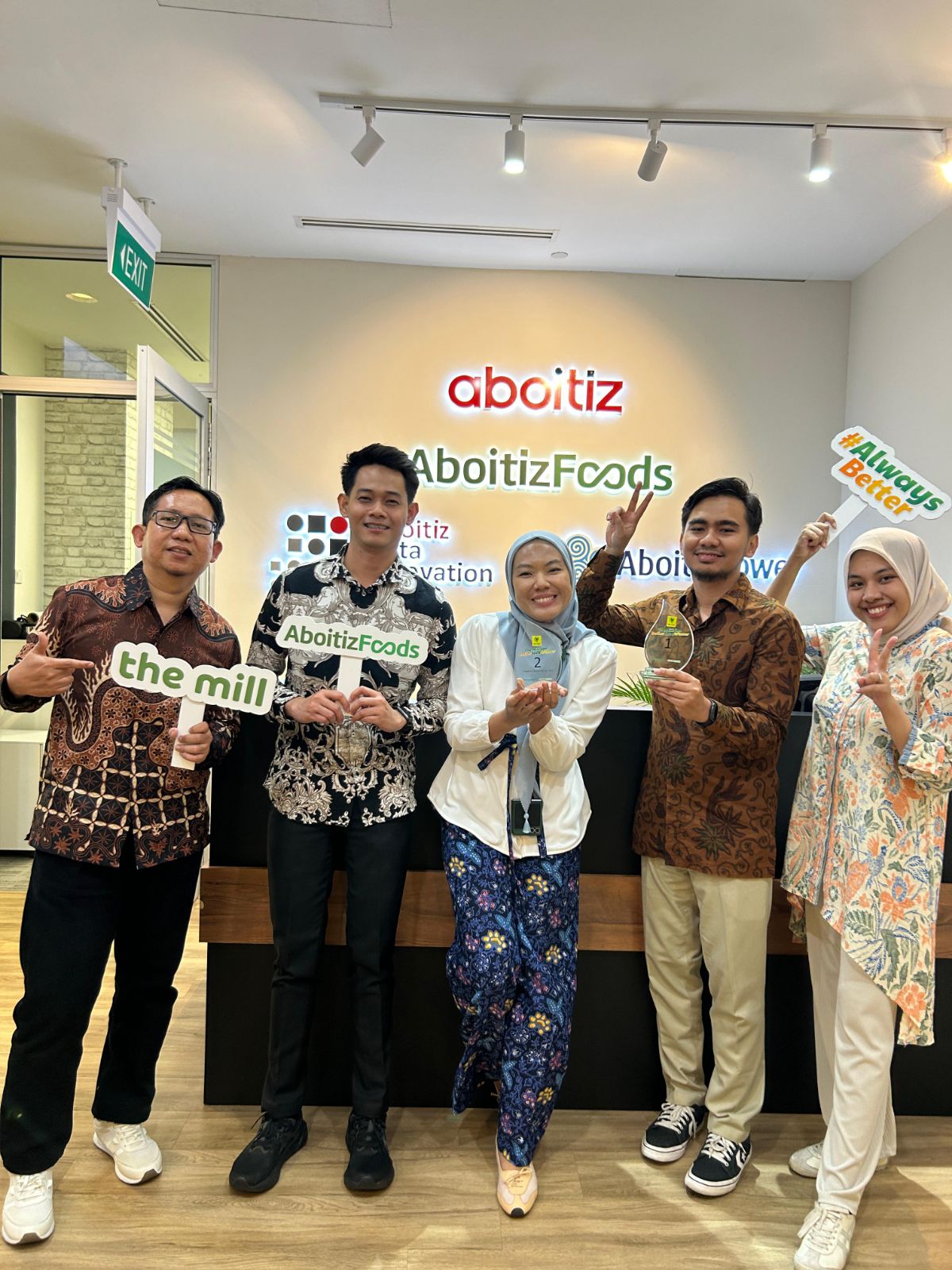
Innovation is also about building a high-performing culture with an Always Better mindset. This philosophy led our team to discover a “liver function optimization” technology, which helped improve broiler performance and efficiency while achieving significant cost savings. This grit—moving from data points to the farm—was how our team won The Mill in 2025, a company-wide product innovation competition. For me, success in the lab means solving real-world challenges. It means steady growth, working hard, and making the most of resources to reach your goals.

Why Science and Agribusiness Need Women
Women are natural “dot-connectors.” We bring meticulousness and perceptiveness that allows us to view a problem from every angle—social, environmental, and technical. In the STEM and agribusiness industries, a woman’s skill in multitasking, attention to detail, and strong intuition allows for a broader perspective.
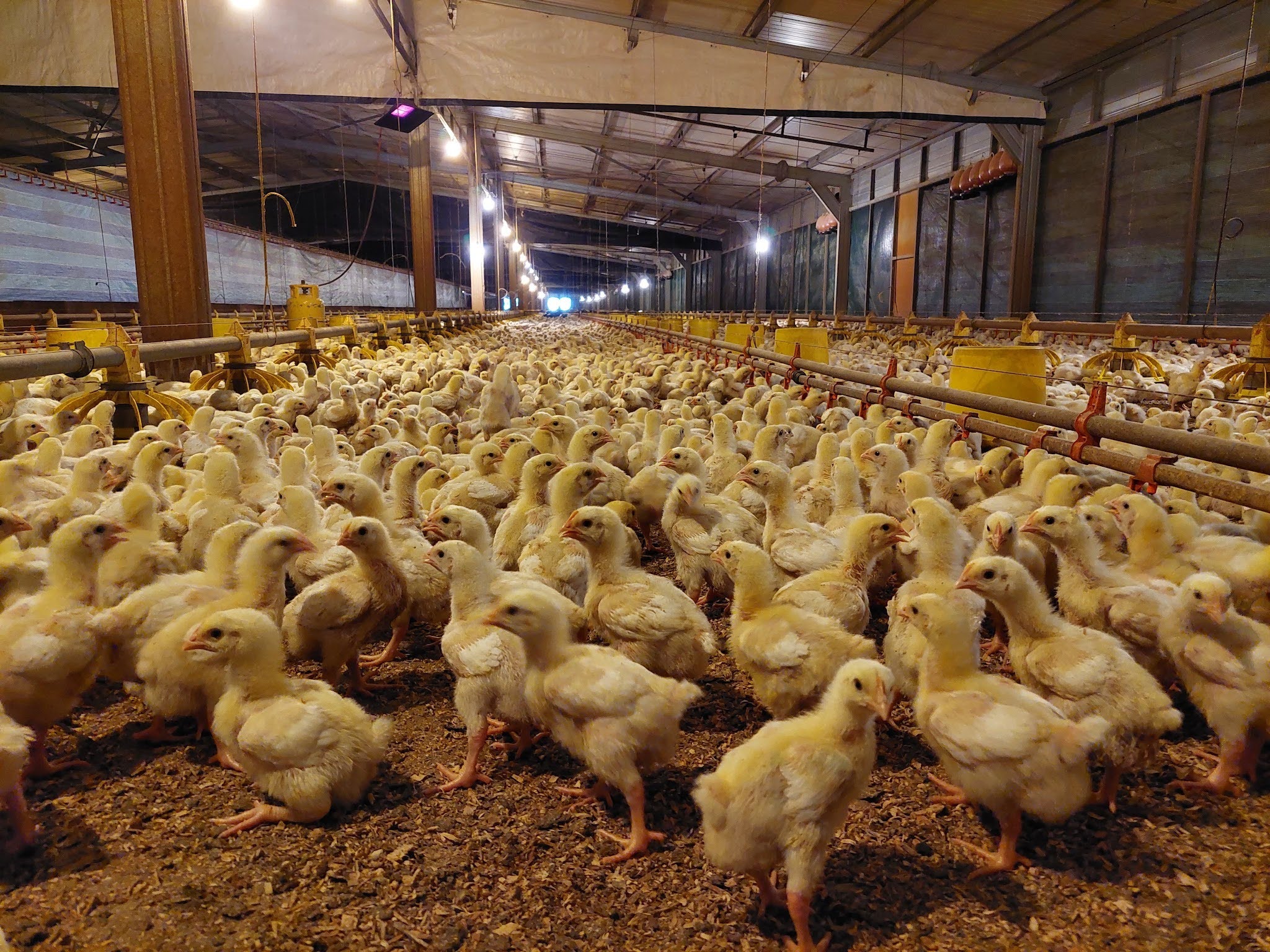
I often say that working in a feed mill is like managing a kitchen, but with a highly organized global system. The goal is the same: nourishment, safety, and integrity. I even keep six laying hens at home for “mini-research”—witnessing the “mill to meal” journey in my own backyard.
Empowering women in agriculture means empowering the future of food. When women thrive, agriculture flourishes. When we are given the opportunity to lead in modern agriculture, we lead by example, equipped with respect, care, and a relentless drive to learn, improve, and grow.
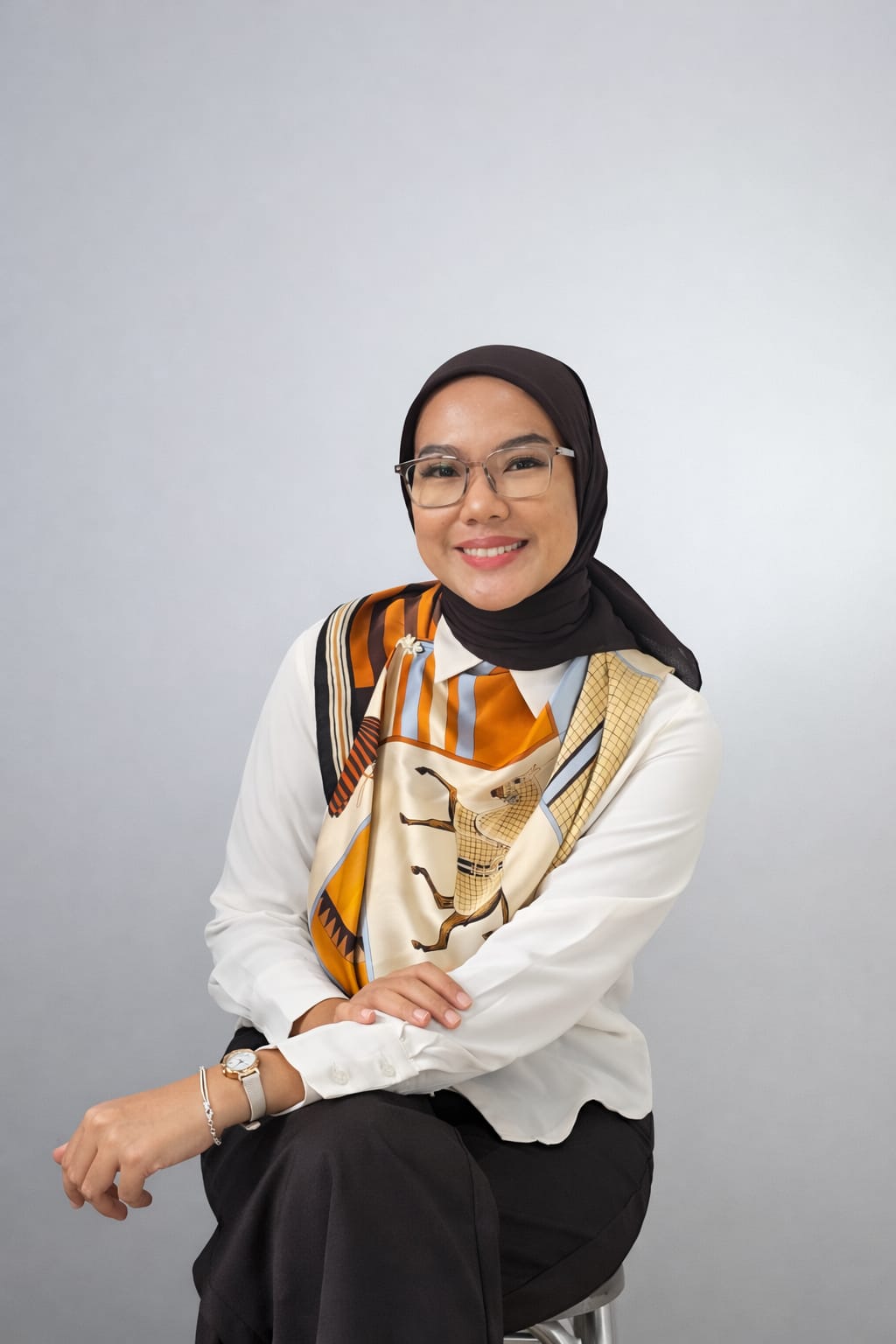
I am Sahera Nofyangtri, taking innovation beyond the lab and ensuring food safety at every step of the process – from mill to meal.
#WomenofAboitizFoods #WomensMonth #IWD2026