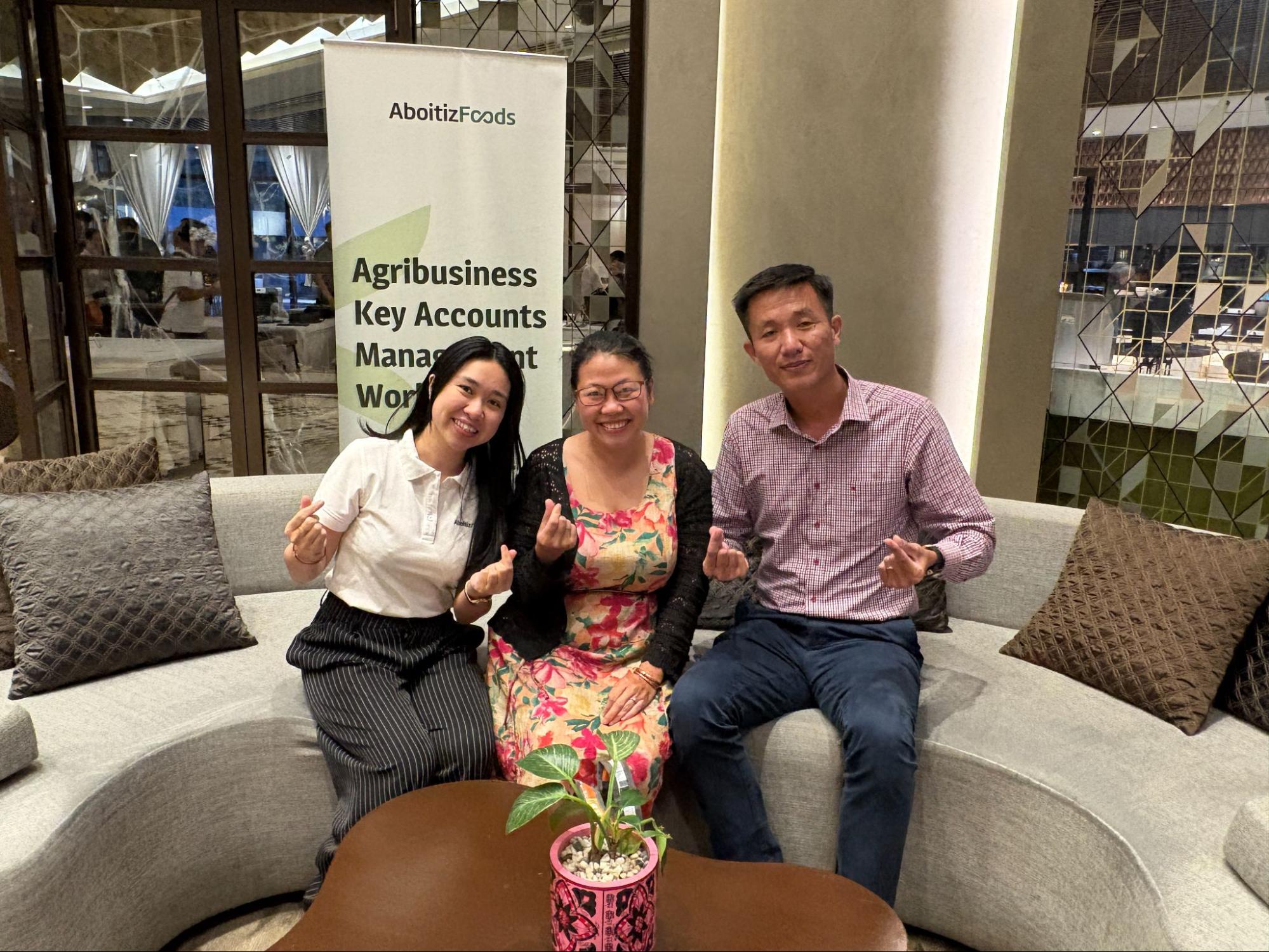
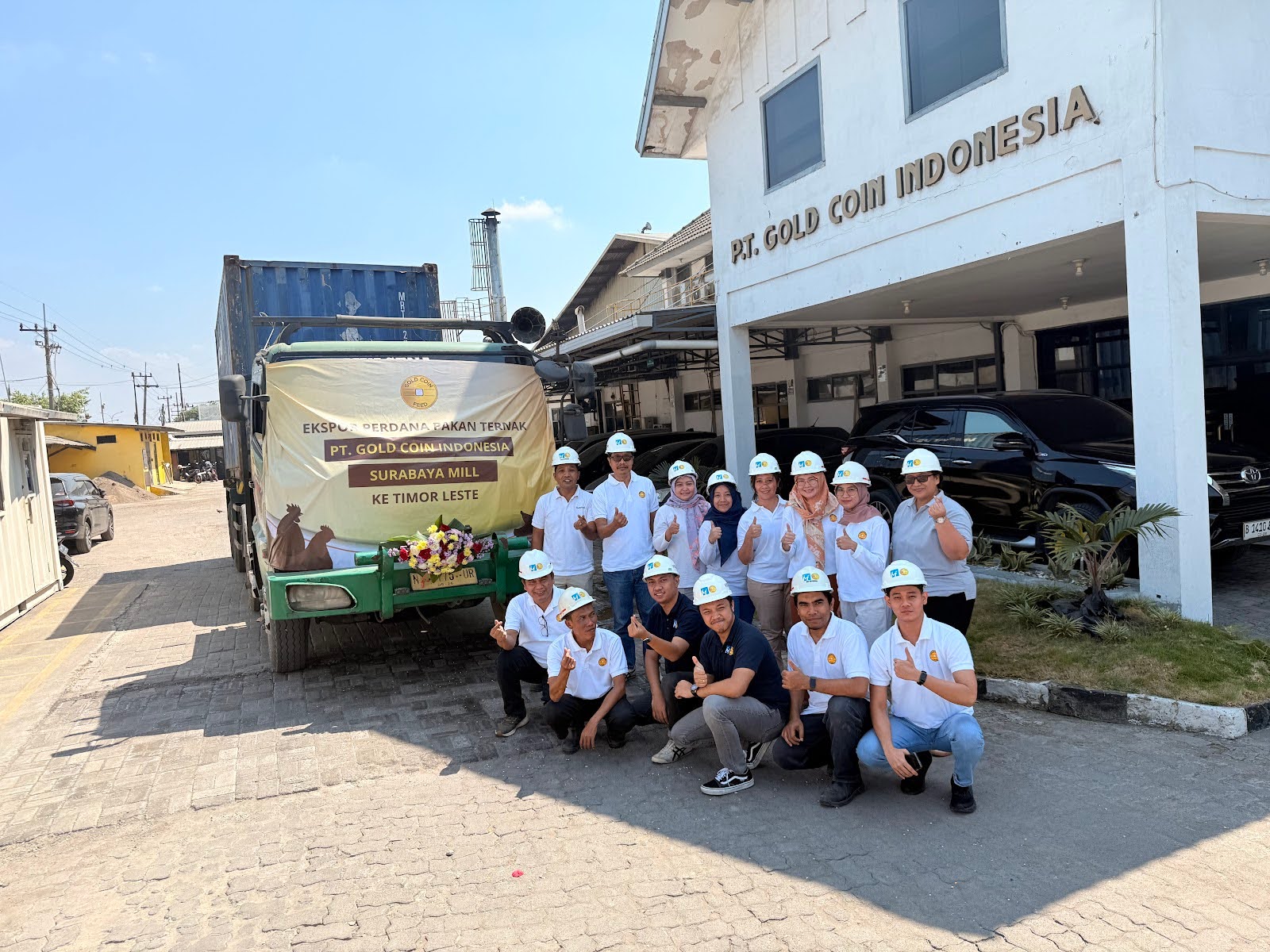
The company will supply customized swine and poultry feeds through two local partners, and support farmers through quarterly seminars in collaboration with the Market Development Facility (MDF). “This expansion reflects our commitment to nourishing growth across Asia,” shared Siow Wee Lee, First Vice President & Country Director of Gold Coin Indonesia. “We see this as a meaningful opportunity to support local agricultural development by sharing both quality nutrition and technical expertise. Our team is focused on building partnerships that can grow sustainably over time.”
As part of Aboitiz Foods, this move brings to life our purpose of sustainably feeding Asia’s growth from mill to meal.
Read the full story here: https://one.aboitizfoods.com/Aboitiz-Foods-GCI-Timor-Leste
Frequently Asked Questions:
1. What products is Gold Coin Indonesia exporting to Timor-Leste?
The initial export shipments consist of customized swine and poultry feeds — formulated specifically to meet the nutritional requirements of local livestock and comply with Timor-Leste’s regulatory standards. Rather than supplying off-the-shelf products, the feeds are tailored to local conditions, reflecting a commitment to providing solutions that are genuinely suited to the agricultural context of the market rather than simply redistributing existing product lines.
2. How will local farmers in Timor-Leste benefit beyond receiving feed products?
Alongside the feed supply, a farmer support program is being established in collaboration with the Market Development Facility (MDF). Quarterly seminars will be held to share technical knowledge, best practices, and practical guidance to help farmers improve their livestock operations. This knowledge-transfer component ensures the expansion creates lasting agricultural value rather than simply opening a new commercial export channel, building local capability that persists independently of any single product supply.
3. What is the Market Development Facility and why is its involvement significant?
The Market Development Facility is an Australian Government-funded initiative that promotes sustainable economic development in partner countries by supporting businesses with innovative ideas and providing technical assistance. Its involvement in the Timor-Leste expansion lends credibility and development expertise to the farmer education program, and connects the initiative to a broader, internationally supported framework for strengthening agricultural livelihoods and food systems in one of Southeast Asia’s youngest and developing nations.
4. Why is Timor-Leste a strategically meaningful market for this expansion?
Timor-Leste is a developing nation with a largely agrarian economy where improving livestock productivity can have significant impacts on food security and farmer livelihoods. Entering the market with customized products and technical support — rather than a purely transactional export relationship — positions the expansion as a sustainable, partnership-driven model. For a company with an explicit mission to support food systems across Asia, markets with developing agricultural sectors represent both a commercial opportunity and a genuine development contribution.
5. How does this expansion fit within Aboitiz Foods’ wider regional strategy?
The Timor-Leste expansion is a direct expression of the company’s stated purpose of sustainably feeding Asia’s growth from mill to meal. By entering new markets through local partnerships and embedding technical education alongside product supply, the approach prioritizes long-term value creation over short-term market penetration. It also strengthens Aboitiz Foods’ footprint across Southeast Asia, extending the reach of quality animal nutrition and farming expertise to communities that have historically had limited access to both.