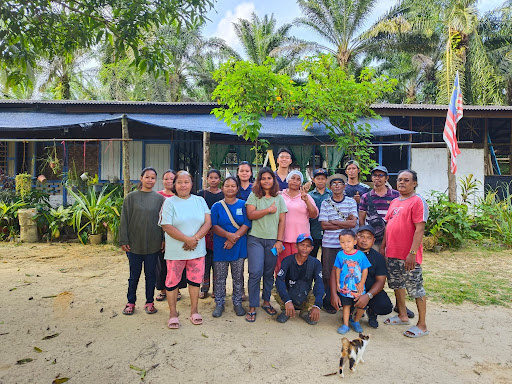
Gold Coin Malaysia and Global Peace Foundation Malaysia (GPFM) joined hands once again for the second year of their livelihood program in the indigenous community of Orang Asli in Pahang.
This year, they aim to continue their livelihood initiative for more families in the community. As part of the program, Gold Coin and GPFM will conduct seminars and assist the community in building a sustainable livelihood to ensure they can provide a stable income for their families and give their children adequate nutrition and food security.
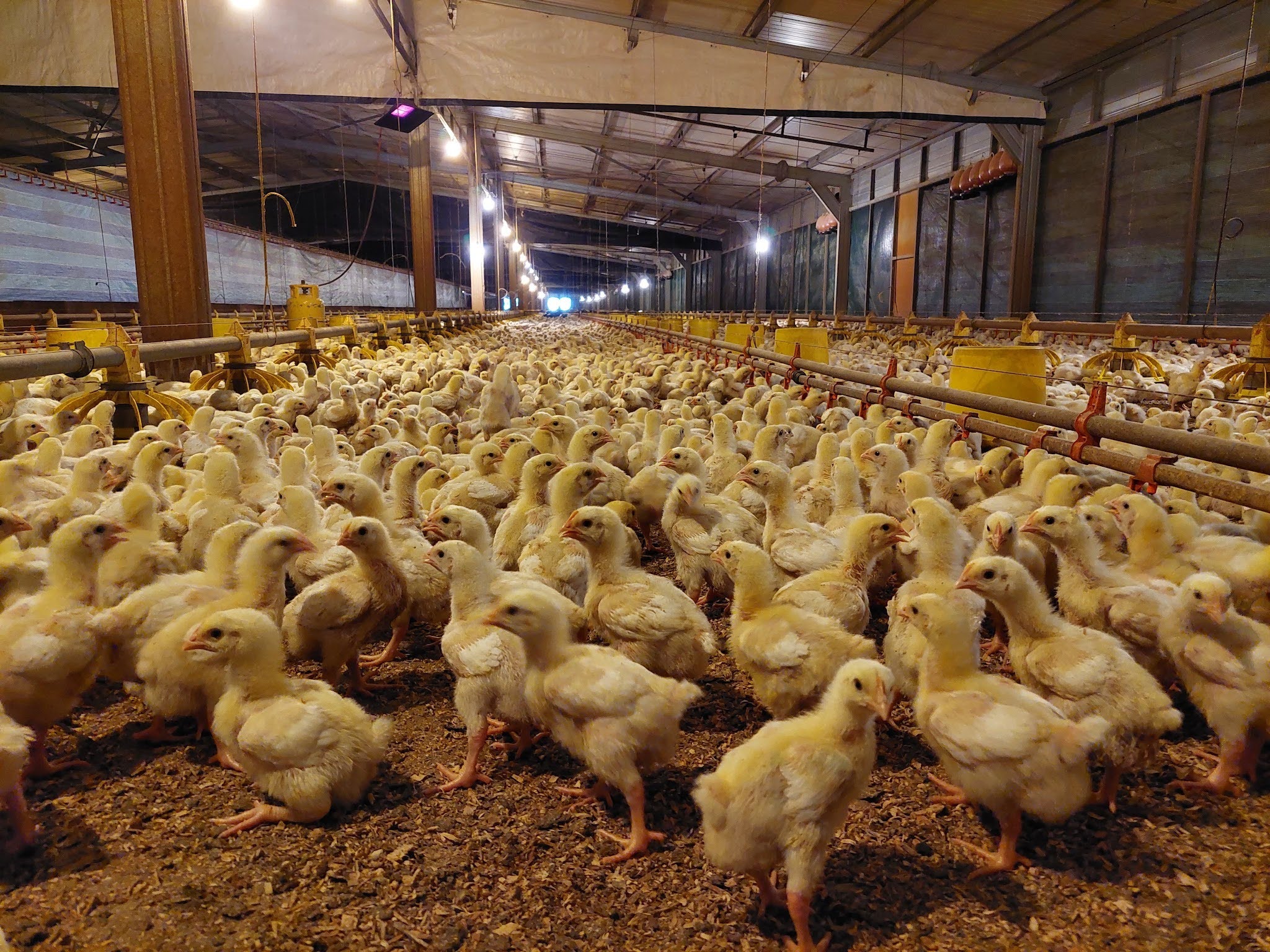
Gold Coin team members helped build chicken coops and provided feeds for chickens of different life stages last December 2023 to January 2024. Additionally, they will also provide technical assistance through seminars and workshops with their veterinarians, ensuring the community is equipped with the skills and knowledge to sustain their livelihood.
As Gold Coin and GPFM continue on the second year of their livelihood program in the Orang Asli community of Pahang, they carry with them the same dedication to achieving sustainable development. Through their renewed commitment to empowering local communities, Gold Coin and GPFM directly contribute to several United Nations Sustainable Development Goals (SDGs), including Goal 1: No Poverty and Goal 2: Zero Hunger. They promote inclusive growth and social welfare through livelihood programs, benefiting more communities and paving the way for a better future.
Frequently Asked Questions
Q1. What is this initiative about?
Gold Coin Malaysia and Global Peace Foundation Malaysia (GPFM) have partnered for the second consecutive year to run a livelihood program for the indigenous Orang Asli community in Pahang, Malaysia. The program focuses on building sustainable income sources through small-scale chicken farming, providing communities with the tools, knowledge, and resources needed for long-term food security and financial stability.
Q2. What practical support was provided to the community?
Team members helped construct chicken coops and supplied feed for chickens across different life stages between December 2023 and January 2024. Alongside physical infrastructure support, veterinarians deliver technical guidance through seminars and workshops, ensuring community members gain the practical skills necessary to manage their farms independently and sustain their livelihoods over the long term.
Q3. Why was this program extended into a second year?
The renewal reflects a continued commitment to achieving sustainable development within the Orang Asli community. Rather than a one-off intervention, the multi-year approach allows for deeper community engagement, skill-building, and measurable progress — expanding the program to reach more families and reinforce outcomes from the first year.
Q4. How does the program connect to global development goals?
The initiative directly supports two United Nations Sustainable Development Goals: Goal 1 (No Poverty) and Goal 2 (Zero Hunger). By equipping families with farming skills and stable income sources, the program promotes inclusive growth, improves food security, and contributes to broader social welfare outcomes within underserved indigenous communities.
Q5. What are the key long-term benefits for the Orang Asli families?
The program aims to give families a reliable income stream, improve nutritional access for children, and build self-sufficiency through hands-on agricultural training. By combining infrastructure support with veterinary expertise and ongoing education, the initiative works to create lasting change rather than short-term relief, empowering communities to sustain and grow their livelihoods independently.