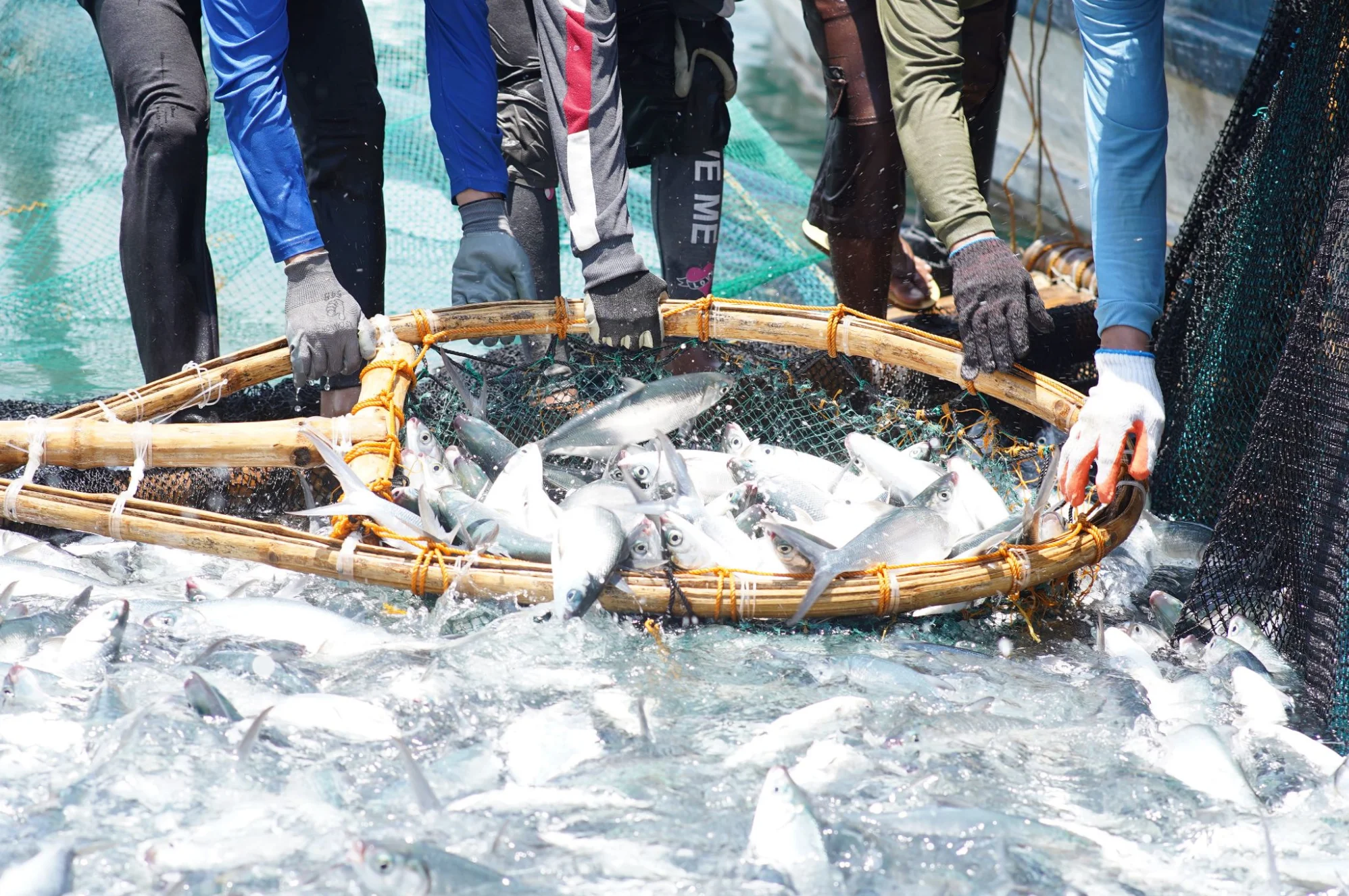
(BALI, Indonesia) In 2024, Asia produced 91.5 million tonnes of farmed aquatic animals and accounted for 90% of the increase in global farmed aquatic animal production between 2000 and 2024, according to the Food and Agriculture Organization (FAO) of the United Nations. As production expands, farmers face disease pressure, environmental stress, resource constraints, and growing demands for efficiency and sustainability.
For Dr. Rajeev Jha, Aqua Farm Solution Lead at Aboitiz Foods, these pressures are prompting a fundamental change in how the industry approaches animal health.
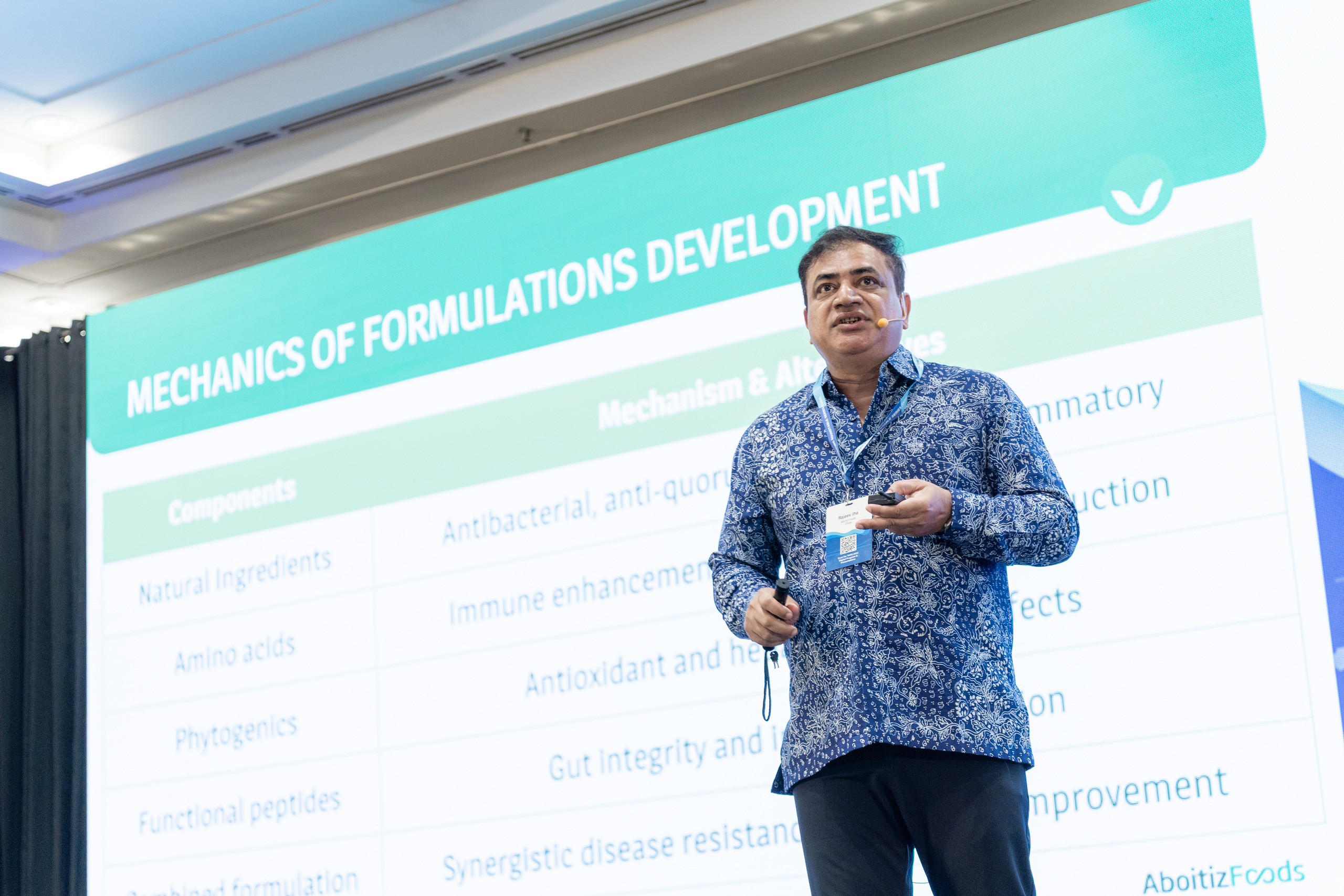
Speaking at The Aquaculture Roundtable Series (TARS) 2026 in Bali, Indonesia, Dr.Jha explored this shift in his presentation, Moving from Reactive to Proactive Health Management.
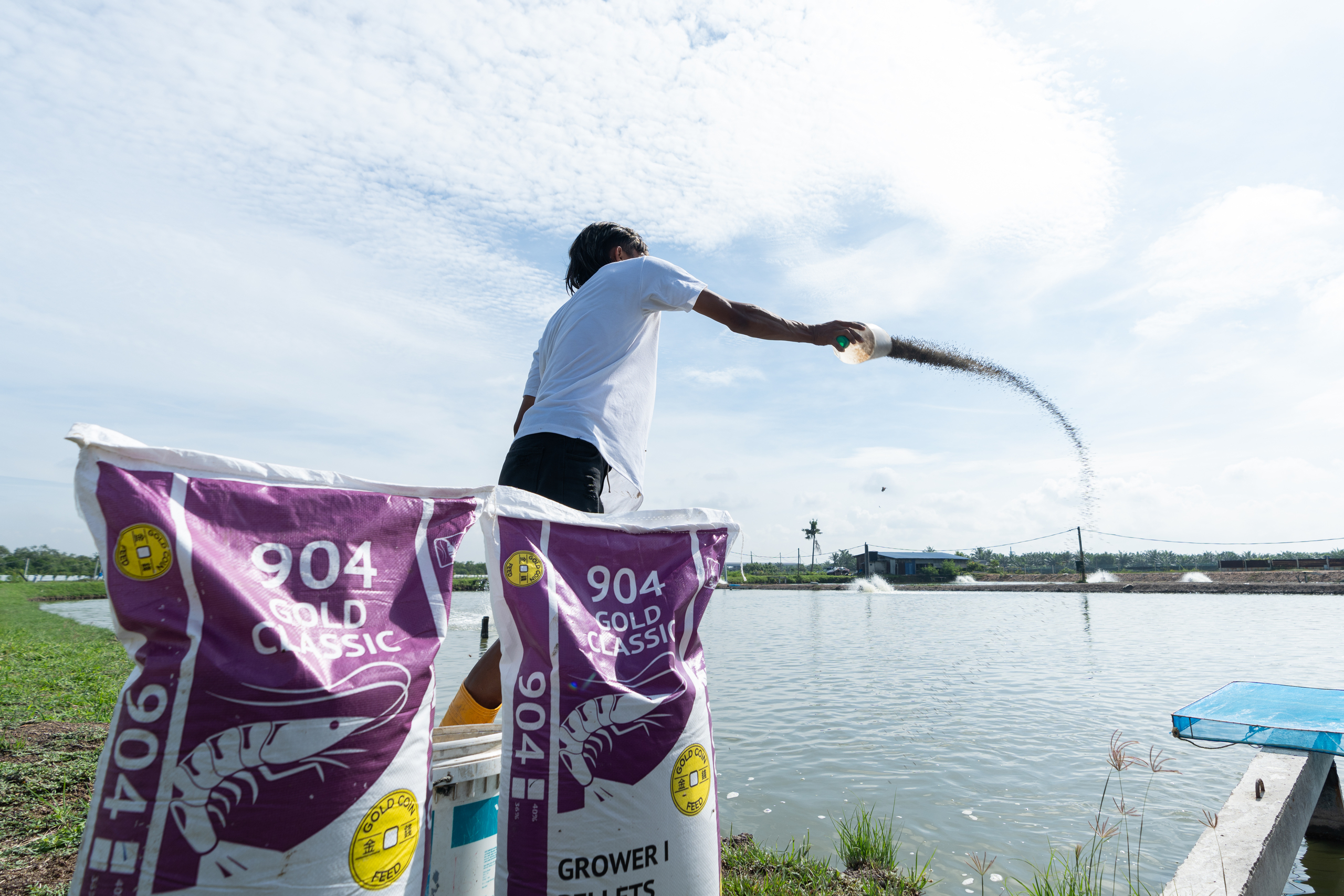
According to Dr. Jha, “The industry is increasingly recognizing that feed is not only for growth but also for health and resilience. Functional ingredients are playing a larger role in supporting immunity, gut health, stress tolerance, and disease resistance.”
Rather than waiting for disease or stress to compromise production, the approach seeks to prepare animals in advance—strengthening their natural defenses and ability to cope with predictable challenges.
In trials presented at TARS, the findings underscore that effective formulations need to be precisely designed and validated to find the growth-supportive window—where health and resilience are strengthened without compromising the animal’s ability to grow.
“Looking ahead, I believe aquaculture research should focus on developing integrated solutions that simultaneously improve productivity, resilience, and sustainability, as the challenges facing the industry cannot be solved through a single discipline alone,” said Dr. Jha.
That approach extends across the farm – integrating nutrition with farm management, diagnostics, microbiome science, data, and technology. Rapid diagnostics, sensors, automated feeding, and predictive analytics can help producers identify risks earlier and make more precise decisions.
For Aboitiz Foods, this means investing in research, innovation, and technical expertise to develop practical, evidence-based aquaculture solutions tailored to farmers across Asia. The company’s aquaculture research and development facility in Singapore features a Recirculating Aquaculture System (RAS) capable of running two to three trials simultaneously in both seawater and freshwater environments. This controlled setup enables rigorous research and performance validation, accelerating the development of nutrition solutions suited to diverse farming conditions.
FAQs
- What is the main shift happening in aquaculture health management?
The industry is moving from traditional, reactive production methods to proactive health management. Instead of treating diseases after they occur, farmers are focusing on building animal resilience, managing stress, and improving sustainability to prevent health issues before they start.
- How is the role of aquafeed changing?
Feed is evolving from a basic source of growth nutrients into a first-line defense. Modern feeds use functional ingredients that support gut health, boost immunity, improve stress tolerance, and increase overall disease resistance.
- Why is an integrated production system essential for optimal aquaculture health?
Aquaculture is a complex biological system where nutrition, health, biosecurity, water quality, and farm management are interconnected. Optimizing one element while neglecting others can compromise performance; all components—including diagnostics and data-driven tech—must work together to strengthen disease resistance and maximize overall productivity.