Challenges in Vietnam’s Livestock Industry
The livestock sector continues to face significant challenges. African swine fever outbreaks, volatile market prices, and rising competition from imported meat have pressured farmers to adopt short-term, price-driven practices. This often leads to reduced focus on proper animal nutrition, resulting in lower productivity, higher feed consumption, and food safety risks such as antibiotic residues.
Gold Coin’s Commitment to a Sustainable Path
Gold Coin has consistently taken a different approach—prioritizing clean, sustainable food production as a long-term strategy. For many years, we have supported Vietnamese farmers in transitioning from small-scale, traditional operations to more professional, science-based models. Guided by our principle, “Livestock for community health – for the benefit of farmers”, we combine high-quality feed products with dedicated technical support to promote both farmer success and community well-being.
1. Elevating Livestock Standards
Modern livestock farming requires knowledge, planning, and strict adherence to food safety standards. Gold Coin continuously innovates nutritional solutions and upholds rigorous quality controls to meet evolving market demands. Recognizing Vietnam’s diversity of livestock breeds and farming conditions, our tailored feed solutions are designed to improve efficiency, strengthen animal health, and reinforce consumer trust in local products.
2. Expertise in Feed Formulation
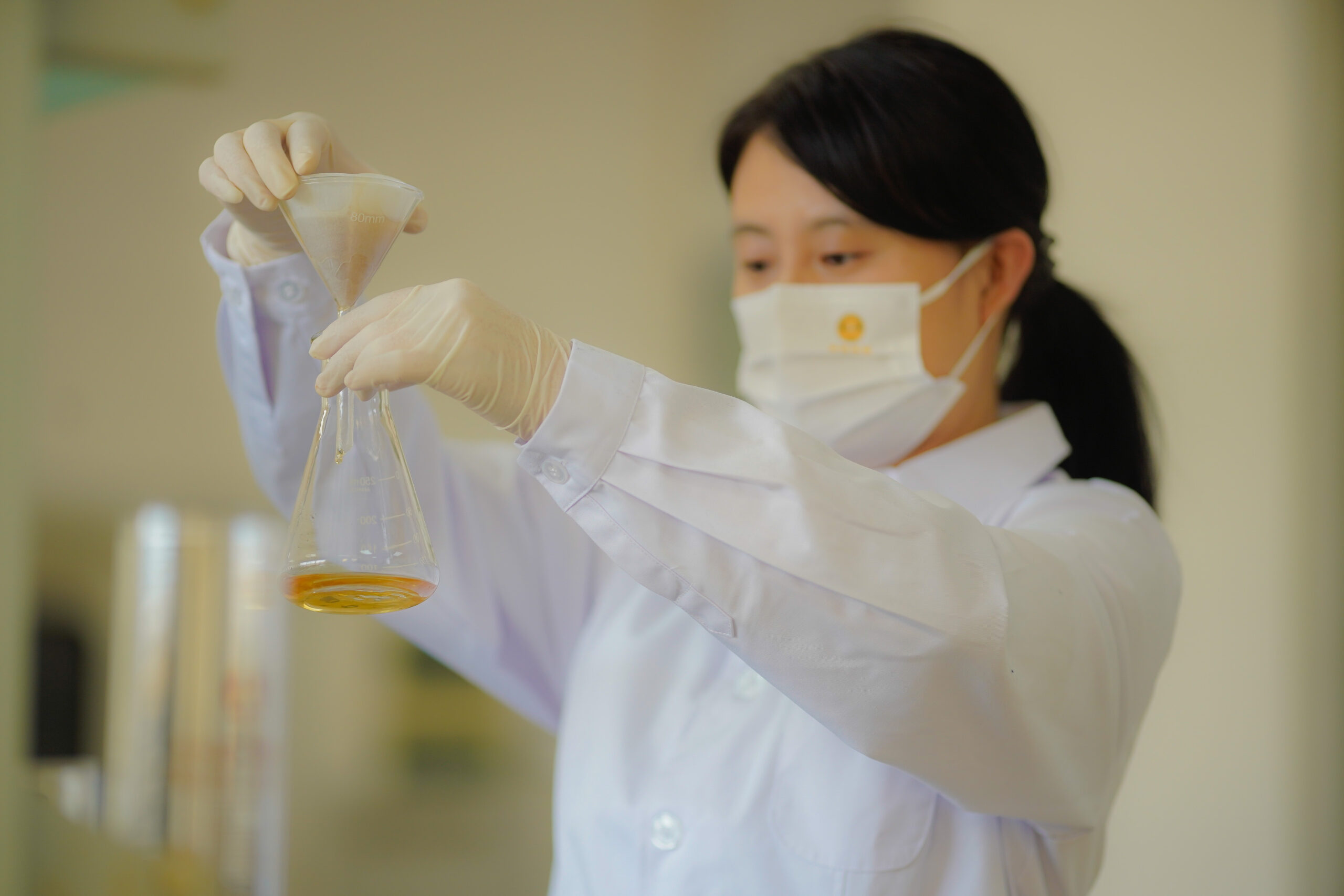
Animal feed directly influences the health, productivity, and sustainability of livestock. Gold Coin applies advanced nutritional science to ensure that each formulation balances core requirements with supplemental elements such as enzymes, probiotics, and vitamins—helping animals grow stronger, reducing environmental impact, and enabling farmers to achieve higher returns.
3. Partnering with Farmers for Lasting Impact
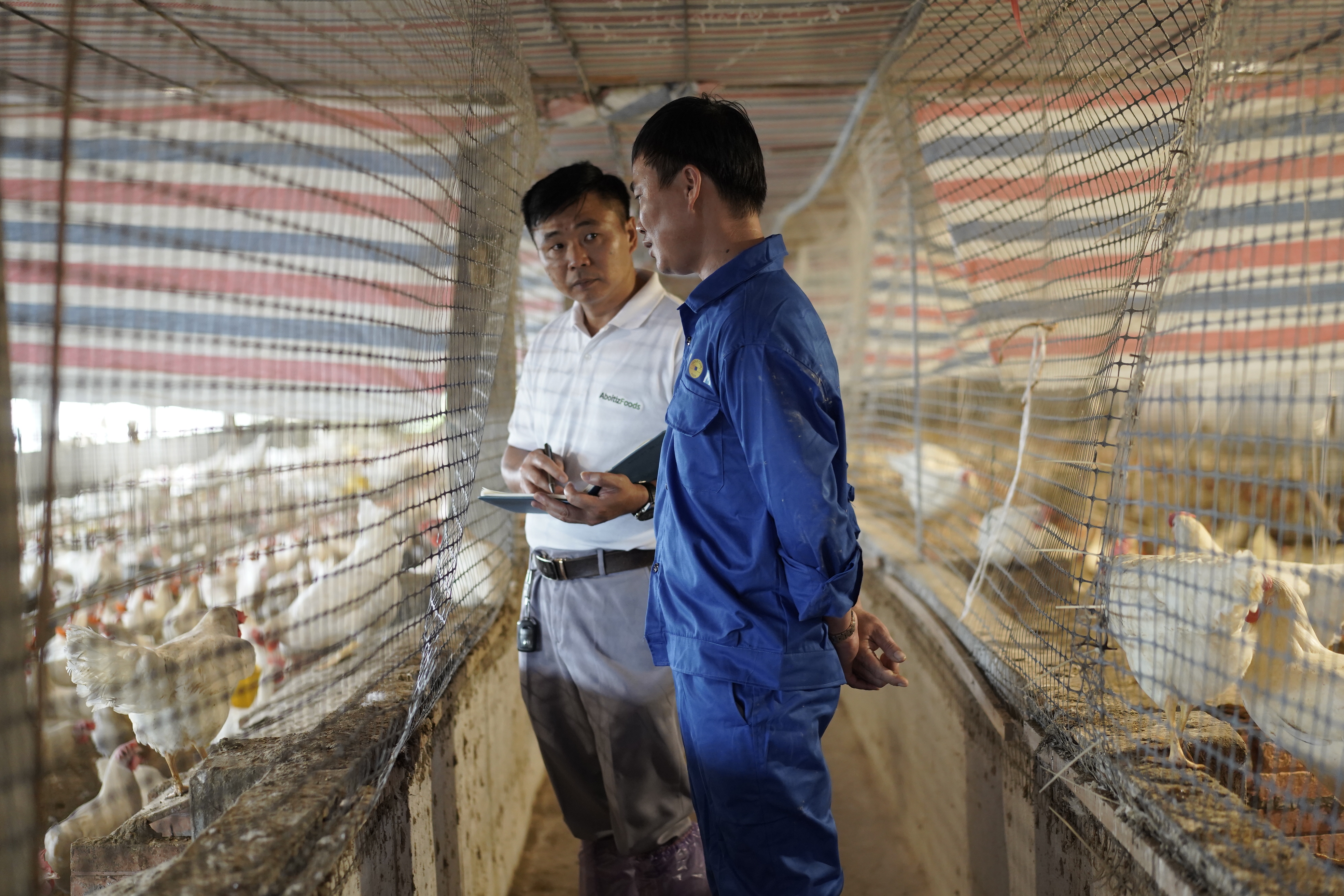
For more than two decades, Gold Coin has been a trusted partner in Vietnam’s livestock industry. Central to this commitment is our “Safety from the Root” program, which emphasizes food safety from the very beginning of the production process. Through this program, our technical team provides training, consultation, and hands-on support to farmers—helping them implement biosecurity measures, optimize nutrition programs, and comply with veterinary standards.
Even small, consistent improvements—such as maintaining barn hygiene, ensuring clean water, and adjusting feed to seasonal conditions—deliver significant benefits. Many farmers have shortened production cycles, improved planning, and increased profitability through their participation in Safety from the Root.
This approach not only strengthens farming efficiency but also reinforces consumer trust, ensuring that Vietnamese families have access to safe, nutritious food.
Together, We Nourish the Future
Gold Coin Vietnam remains steadfast in its commitment to clean, sustainable livestock development. By working closely with farmers, we contribute to healthier communities and safer food for Vietnamese families—living out Aboitiz Foods’ brand promise: “Together, we Nourish the Future.”
Author
Do Minh Nhat
Deputy General Director, Gold Coin Feedmill Binh Duong
Frequently Asked Questions:
1. What pressures are Vietnamese livestock farmers currently dealing with?
Farmers face a difficult combination of recurring African swine fever outbreaks, unpredictable market prices, and intensifying competition from imported meat. These pressures push many toward short-term, cost-cutting decisions that compromise animal nutrition. The downstream consequences include lower productivity, higher feed consumption rates, and serious food safety risks — most notably antibiotic residues in meat and other animal products reaching consumers.
2. What does the “Safety from the Root” program involve?
The program is built on the principle that food safety must be established at the very beginning of the production process, not managed after the fact. It delivers direct technical support to farmers through training sessions, one-on-one consultation, and hands-on guidance covering biosecurity implementation, tailored nutrition planning, and compliance with veterinary regulations. Small but consistent improvements in daily farming habits compound into significantly better outcomes over time.
3. How does advanced feed formulation benefit both farmers and consumers?
Nutritionally balanced feeds — incorporating enzymes, probiotics, vitamins, and other targeted supplements — improve animal health, strengthen immune systems, and support efficient growth. This reduces reliance on antibiotics, lowers environmental impact from waste, and improves feed conversion rates. Farmers see higher returns and shorter production cycles, while consumers benefit from cleaner, safer food products free from harmful residues.
4. Why does tailoring feed to Vietnam’s specific conditions matter?
Vietnam’s livestock sector is exceptionally diverse, spanning a wide range of native breeds and highly variable climate and farming conditions across regions. A one-size-fits-all feed approach fails to account for these differences. Breed-specific and season-adjusted nutritional solutions ensure animals receive what they genuinely need, improving efficiency and resilience while also preserving the distinct qualities of locally raised products that Vietnamese consumers value.
5. How does sustainable livestock development connect to broader community health?
When farmers are equipped to produce clean, antibiotic-free meat and eggs consistently, the entire food supply chain improves. Safer food reduces public health risks, stronger farm profitability supports rural livelihoods, and reduced chemical use protects surrounding ecosystems. Investing in farmer capability and feed quality is therefore not just a commercial strategy — it is a contribution to healthier families, more resilient communities, and a more sustainable food system overall.