Gold Coin Malaysia has collaborated with Global Peace Foundation Malaysia (GPFM) over the past year, providing livelihood programs to the indigenous community of Orang Asli in Pahang, Malaysia. Since the initiative started in 2023, the community has experienced a positive impact on their livelihood and has learned from their experiences in raising chickens. After seeing the positive results on the community the first time, the team of Gold Coin Malaysia and GPFM were motivated to expand to more families.
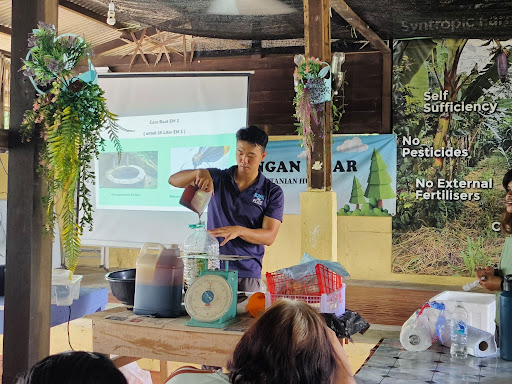
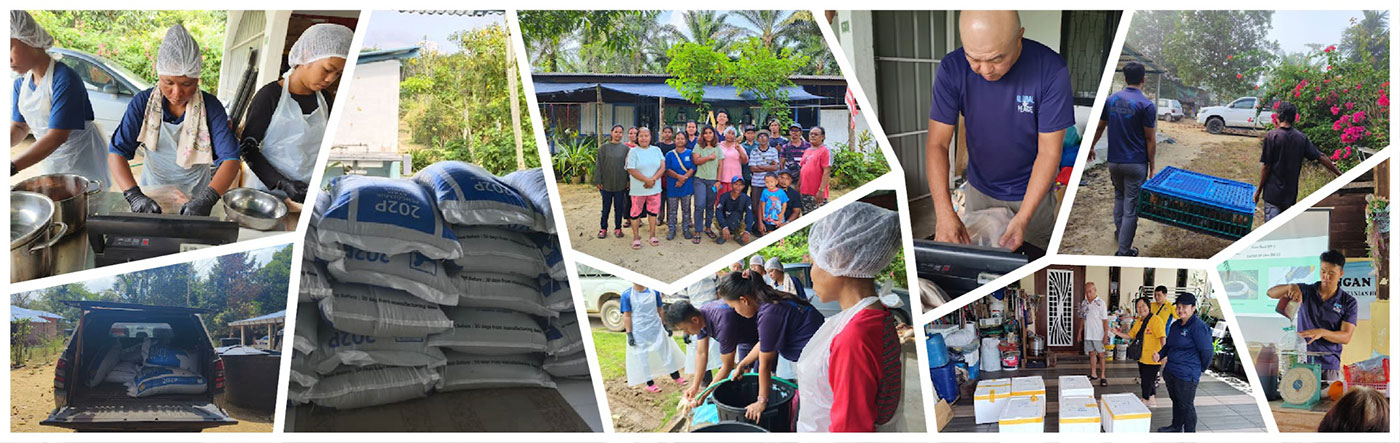
As part of the livelihood program, the Orang Asli community also received training on proper poultry farming management.
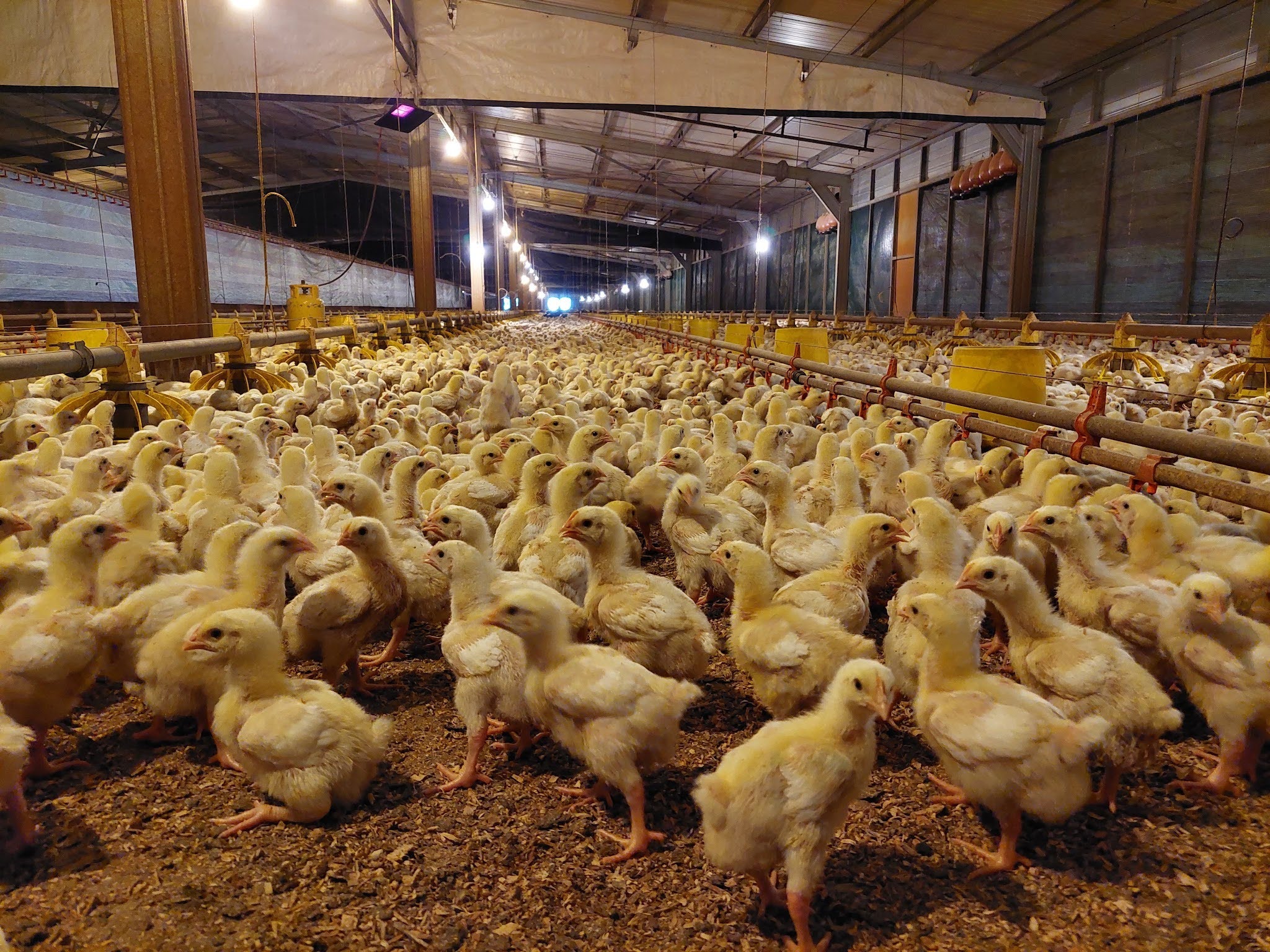
During the second run of their livelihood program, Gold Coin offered support to the community by providing poultry feeds and skills training. From February to March 2024, the community managed to sell over 2,100 free-range chickens to neighboring areas. GPFM also extended its help by assisting in the processing, packing, and marketing of the chickens both offline and online.
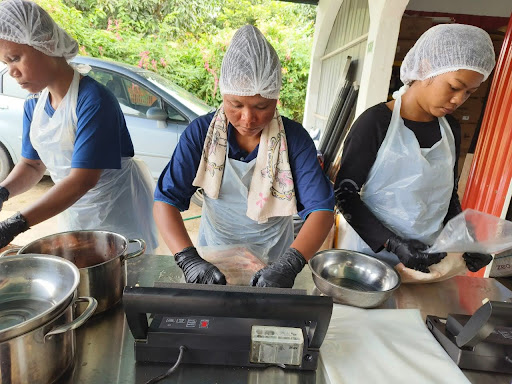
The community preparing and packing the chickens for delivery.
Gold Coin and GPFM’s livelihood program empowered the Orang Asli community while contributing to the United Nations’ Sustainable Development Goals (SDGs). The initiative has been successfully implemented in the past two years and has great potential to be replicated in other communities. This program has been a long-standing model of the Corporate Social Responsibility (CSR) team of Pilmico in the Philippines, which entails the distribution of livelihood kits along with technical assistance. It started with the “Mahalin Pagkaing Atin” program in 2013 and has since expanded to Malaysia.
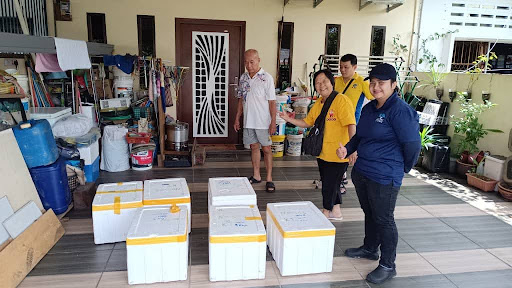
2,100 chickens were delivered to satisfied customers from nearby communities in Pahang, Malaysia.
Frequently Asked Questions
Q1. What is this article about?
This article reports on the measurable outcomes of a two-year livelihood program run by Gold Coin Malaysia and Global Peace Foundation Malaysia (GPFM) for the indigenous Orang Asli community in Pahang. The program provided poultry feeds, skills training, and end-to-end marketing support, resulting in the successful sale of over 2,100 free-range chickens between February and March 2024 – demonstrating real, quantifiable economic impact for the community.
Q2. What specific support did the Orang Asli community receive?
The community received poultry feeds, hands-on training in proper poultry farming management, and comprehensive support from GPFM covering chicken processing, packing, and marketing through both offline and online channels. This combined approach ensured that participants were equipped not just to raise chickens, but to independently bring their products to market and generate meaningful income from their efforts.
Q3. What were the measurable results of the program’s second year?
Between February and March 2024, the Orang Asli community successfully sold over 2,100 free-range chickens to customers in neighboring areas of Pahang. This tangible commercial outcome demonstrates that the program moved well beyond charitable support – it created a functioning small-scale agricultural enterprise within the community, with real buyers, processed products, and income generated directly by community members.
Q4. Where did this livelihood model originate and how far has it expanded?
The livelihood program model traces back to the “Mahalin Pagkaing Atin” program launched by the CSR team of Pilmico in the Philippines in 2013. It originally involved distributing livelihood kits alongside technical assistance to local communities. Over more than a decade, the model proved replicable across different geographies and has now been successfully adapted and implemented in Malaysia, with potential to expand to other communities.
Q5. What are the key takeaways from this initiative?
The program demonstrates that corporate community investments yield stronger outcomes when they combine resources, skills training, and market access together. Two consecutive years of delivery with measurable sales results validate the model’s replicability and long-term viability. Aligning the initiative with the UN Sustainable Development Goals also signals that responsible business practices and genuine community empowerment are not mutually exclusive but mutually reinforcing.